Advertorial
Expert Compares 5 English Language Apps – And Says Hypnosis Can Speed Up Learning 25 Times
Once questioned, now proven: hypnosis helps you learn a language
Hello. I am Christine Garfield, and I have been teaching English for over 14 years now.
And what I know is that for most of the last century, the idea of hypnosis for learning got you laughed out of the room.
It meant magic shows, swinging watches, and grown men clucking like chickens.
In the 1970s a Bulgarian psychiatrist named Georgi Lozanov taught languages using deep relaxation. His students learned faster and remembered more – up to 25x faster, he claimed.1
He was careful to never associate with hypnosis and called his method Suggestopedia instead.
Everybody thought he was crazy anyway.
But then Stanford scientists put people under hypnosis into brain scanners
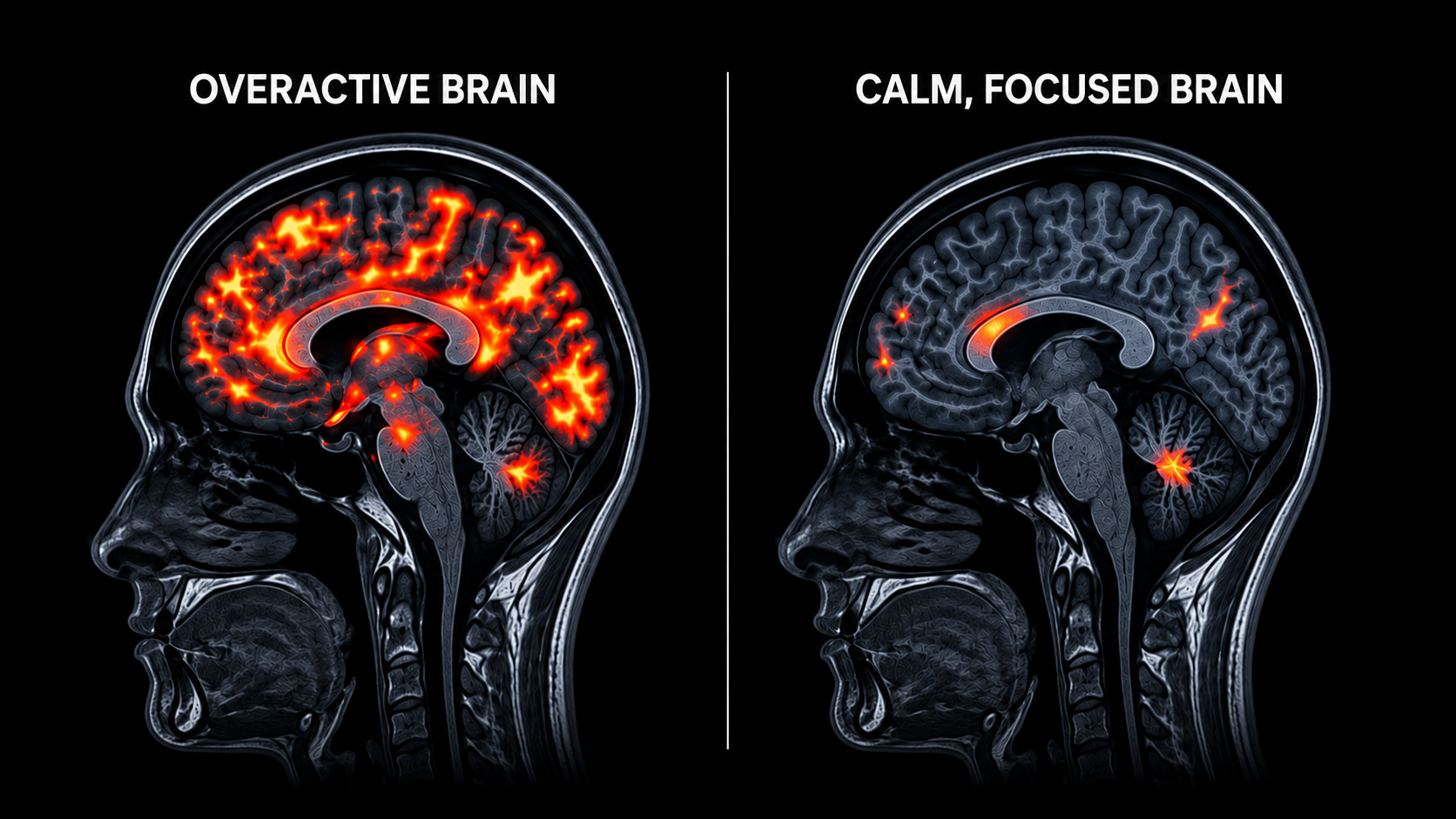
They found the part of the brain that handles worry goes quiet, and attention narrows down.2
The brain stops guarding and can start absorbing.
In 2016, researchers ran a language experiment and published it in the American Journal of Clinical Hypnosis.3
They split 70 people into two random groups, and gave them 21 Spanish words to learn.
The first group learned them normally, while the second – under hypnosis.
The hypnosis group scored significantly better
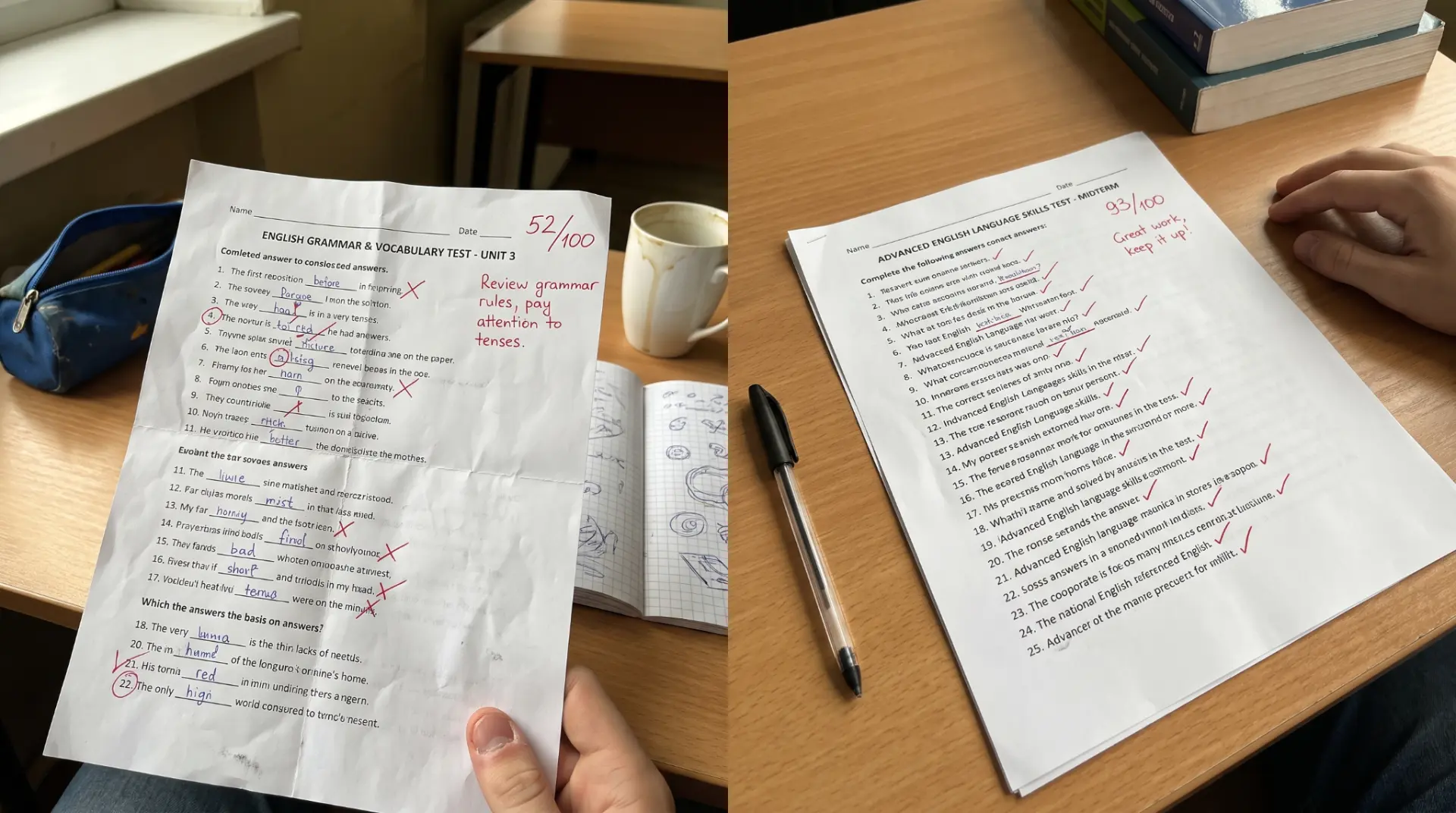
They remembered more words – and not just immediately after learning them, but after 1 full week too.3
The researchers concluded that hypnosis helps us learn and remember foreign words better.
I wanted to see if this approach is currently available to regular people.
So with my students, I tested a rare, hypnosis-based app against 4 of the biggest names in language learning
Here is my list:
- Wordletic – the app that uses clinical hypnosis to calm the brain before learning
- Promova – the structured language-learning app for vocabulary, grammar, and speaking practice
- Praktika AI – the AI conversation app with virtual tutors for speaking practice
- Pimsleur – the audio-first language program built around listening and speaking
- Duolingo – the gamified, cartoon-style language game
How I tested them
Two weeks on each app with the same group of adult learners, learning the same language.
We agreed on the scoring before we started:
- Did the words stick?
- Could they use the info in real life?
- How did it feel to learn? Calm, focused, pressured?
- Could they keep it up? Without guilt, streaks, or half an hour a day.
- What does it cost?
Honestly, I expected one of the big names to win, because they have millions of users and lots of funding. The hypnosis app was the outsider here.
Here is my official ranking.
#1. Wordletic – Best Overall
Every lesson starts with a 3-minute hypnosis session. It primes the brain for learning – just like the Stanford research. It is the only app on this list that does this.
Then the actual lesson starts. You learn words in real sentences, not lists. Then a short dialogue. Then a bit of grammar you use straight away. It runs on the CEFR framework, so you can see whether you're at A1 or C2.
Pros
- ✅ Puts the brain in the state where words actually stick
- ✅ Less gamification compared to apps like Duolingo
- ✅ Built for adult learners
- ✅ Words taught inside dialogue, so they come out as sentences
- ✅ Under 15 minutes a day
Cons
- ❌ Newer and more specialised; the word “hypnosis” puts some people off before they try it
- ❌ Consistency plays a big role, so squeezing in regular sessions, even short ones on your commute, will get you to fluency faster
#2. Praktika AI – Good for Conversation
You talk to an AI avatar instead of a person, which takes away the embarrassment of speaking badly in front of someone.
Pros
- ✅ AI conversation practice without needing a real tutor
- ✅ Useful for learners who want to rehearse speaking more often
- ✅ Flexible and available anytime
- ✅ More private than live conversation platforms
Cons
- ❌ Still requires speaking on the spot, which can feel difficult for anxious users
- ❌ Does not include preparation for speaking anxiety
- ❌ Can feel repetitive over time
- ❌ High daily friction for people who already avoid speaking practice
#3. Promova – Great for Structured Practice
Bite-sized lessons with vocabulary, grammar and spaced repetition, plus AI Role Play. There's a weekly conversation club, and group classes or private tutoring available separately with an extra charge, of course.
Pros
- ✅ Genuinely broad – lessons, AI role play, tutoring, conversation club
- ✅ Pronunciation feedback down to individual sounds
- ✅ Polished and easy to follow
Cons
- ❌ Among the priciest, and pricing varies confusingly by platform
- ❌ Tutoring and classes cost extra on top
- ❌ So many modes that it's easy to drift rather than progress
- ❌ Nothing that addresses the state you learn in
#4. Pimsleur – Best for Repetition-Based Learning
Pimsleur was useful for learners who needed to constantly repeat the same thing to learn it. It encouraged speaking aloud, and steady repetition without relying heavily on screens.
Pros
- ✅ Works hands-free while driving or walking
- ✅ Gets you speaking out loud from lesson one
- ✅ Around fifty languages, shareable with family, lifetime options available
Cons
- ❌ Thirty minutes a day is a big commitment
- ❌ The audio is not very adaptable
- ❌ Falls apart when you need your own words rather than taught phrases
- ❌ Repetitive – while that is the point, it makes it hard to stick with
#5. Duolingo – Light, Low-Commitment Learning
Free, fun and it's improved a bit. They added some paid features as well, for example Video Call with Lily. Some other features focus on scenarios like ordering coffee or getting through passport control.
Pros
- ✅ Easy to pick up, with free and paid tiers
- ✅ Genuinely good for building a daily habit
- ✅ Huge language range
Cons
- ❌ Lowest two-week recall of the five
- ❌ Conversations feel short and scripted
- ❌ Streaks add pressure, which is the one thing that blocks retention
- ❌ Better suited to people looking for a light, low-commitment way to engage with a language
- ❌ Keeps the brain in a fast, stressed state
What it is actually like to use the #1 app

- Every lesson opens with a 3-minute audio track that gets your brain ready.
- New words arrive in small groups, inside a sentence.
- You practise them in a dialogue that gets harder in three stages.
- Grammar is explained in two lines, then you use it in that same lesson.
- Every lesson follows the same four blocks, so you always know what's coming.
- Levels run A1 to C2, so you start where you actually are.
- The whole thing takes about 15 minutes.
Questions the testers asked me about #1
Will I lose control?
No. It is closer to being absorbed in a film than being switched off. You can stop the audio at any point, and plenty of people in the test paused halfway through to answer the door.
Does it work if I think hypnosis is nonsense?
Several of the testers thought exactly that. There is nothing to believe in and nothing to perform, so scepticism did not seem to get in the way. Two of the sceptics had the best recall scores in the group.
How long does it take?
Under fifteen minutes for most people, priming session included.
Is it just for beginners?
It runs on the CEFR scale from A1 through to C2, so there is content well past the tourist phrases. If you already speak some of the language, take the placement seriously so you land in the right place rather than back at 'hello, my name is.'
Comments (3)
My CEFR assessment put me lower than I expected and I was a bit put off… Turned out to be right though, my grammar was worse than I thought...
Been on Duolingo for Spanish for 900 days. Nine hundred. And I still cannot hold a conversation. This article explains why better than anything I have read.
wordletic is really helpful, I love it xx
Sources
- Gustavorernesto. (2022, November 2). Suggestopedia. Gustavo Rubino Ernesto. gustavorubinoernesto.com/suggestopedia/
- Study identifies brain areas altered during hypnotic trances. Stanford Medicine News Center. med.stanford.edu
- Çetin, Y., Çimen, O. A., & Yetkiner, Z. E. (2016). Using hypnosis to enhance learning second language vocabulary. American Journal of Clinical Hypnosis, 58(4), 399–410. doi.org/10.1080/00029157.2015.1121373